


Water company workers have blasted their bosses’ decision to introduce a hosepipe ban across Sussex as “utterly shambolic”.
Last month South East Water announced a hosepipe ban in Sussex following the “driest spring since 1893”. It said “record-breaking demand” for drinking water has put “significant” pressure on supplies.
But the GMB Union has criticised the move saying the company should do more to fix leaks and prevent the need for bans. Gary Carter, GMB National Officer, said: “South East lost more than 100 million litres of water through leaks every single day last year – missing even their own awful target of 80 million litres a day.

“GMB members at South East Water graft as hard as they can to keep things on track, but with little in the way of investment the infrastructure they’re working with just isn’t up to it. For South East Water to impose a hosepipe ban is utterly shambolic.”
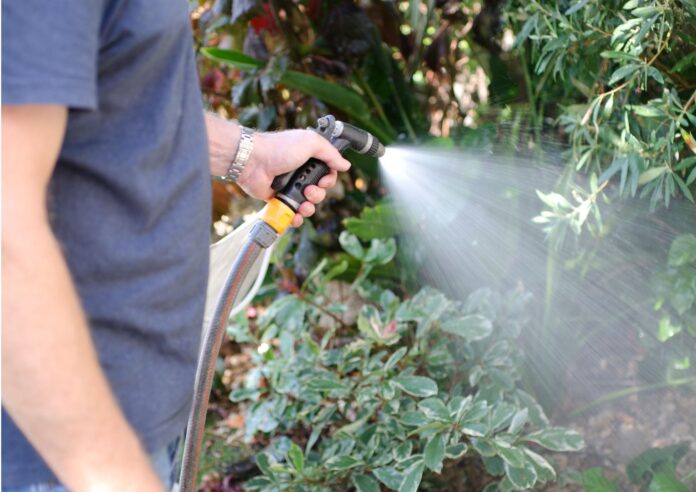
The temporary restrictions, which came into effect in July, mean customers are prevented from using hosepipes for watering their gardens, washing cars, windows and patios, or filling swimming and paddling pools
Responding to the Union’s criticism South East Water’s Head of Water Resources, Nick Price, said the company shared their customers’ frustrations.
“With the Met Office reports showing that spring 2025 was the driest in the south east region since 1893, and with further warm temperatures and continued high demand expected throughout the summer, we needed to implement a hosepipe ban to protect our water resources.
“We know we have to play our part too. Although our leakage is reducing, we know we still have a way to go, which is why we have 70 teams across our supply area, actively finding leaks and fixing them, which is the highest number of repair teams we have had.
Mr Price added: “We spend around £40 million a year on finding and fixing leaks across our network. In the last year, we have found and fixed over 18,000 leaks on our network and a further 6,000 customer-side leaks. This is around a 12 per cent increase on the previous year. Over the next five years, our overall level of investment has more than doubled, which will allow us to replace and upgrade a larger part of our supply network.”